
 ZH
ZH  RU
RU  EN
EN 
Biysk Museum of Local Lore named after V.V. Bianchi
Central Office / History Department "Assanov's Estate":
- Address: 134 Vladimir Lenin St., Biysk, 659325
- Phone: +7 (3854) 33-76-90
- Email: dir_bkmuz@mail.ru, cool.histoi2012@yandex.ru
Museum of the Chuysky Tract:
- Address: 42 Sovetskaya St., Biysk
- Phone: +7 (3854) 32-68-08
- Email: museiumosta@mail.ru
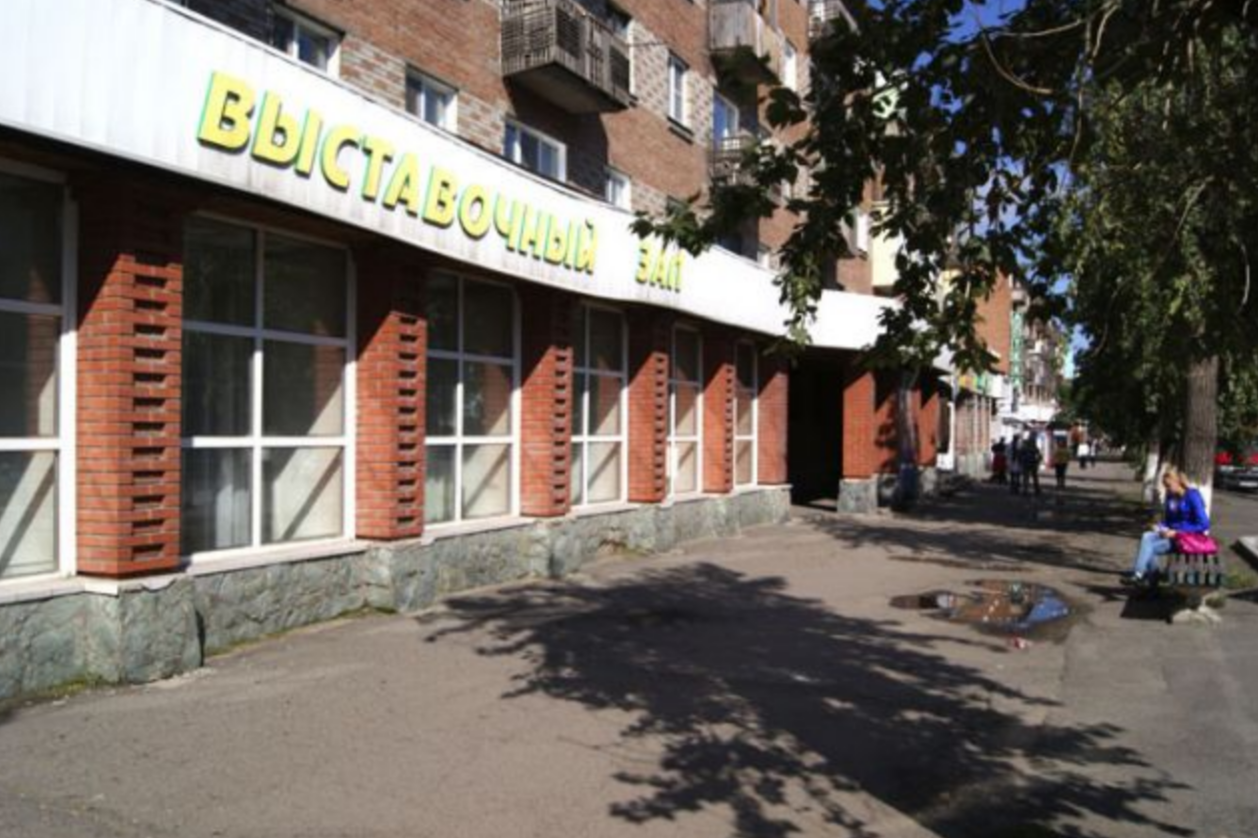
Exhibition Hall:
- Address: 36 Vasilyeva St., Biysk
- Phone: +7(3854) 43-43-98
- Email: leonteva-ov@mail.ru
General Contact Phone: +7 (3854) 32-68-08
Official Website: https://biyskmuseum.ru/
Working Hours (for all departments):
- Wednesday – Sunday: from 9:00 AM to 5:00 PM
- Monday, Tuesday – closed
📍Посмотреть на карте

[ ▶︎ ] Video Review
Brief historical background, collections and exhibitions of the museum
The Biysk Museum of Local Lore named after V. V. Bianchi is a local history museum in the city of Biysk, Altai Krai, Russian Federation. It was founded in 1920. As of 2010, the museum's status is a non-profit institution, funded from the municipal budget of Biysk.
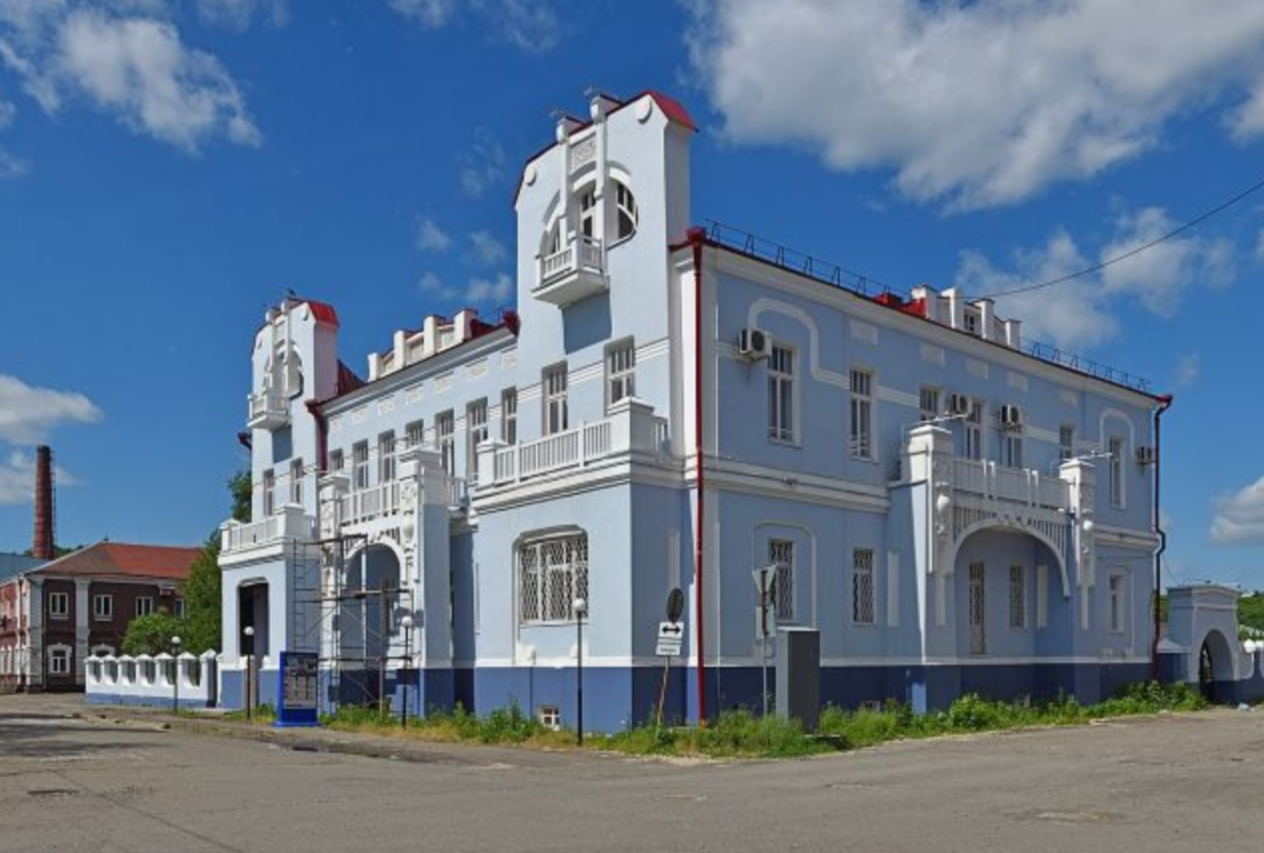
The museum is located in three buildings. The main building, which houses the historical department of the museum, is in the former house of the merchant N. I. Assanov, built in 1914 according to the project of the outstanding Siberian architect K. K. Lygin. One of the departments, the Museum of the Chuysky Tract, is located in the former house of the merchant Varvinsky, built in 1910–1911 with an orientation towards the Romanesque style.
The founders of the museum are Mikhail Ivanovich Krot-Donorskoy and Vitaly Bianchi, whose name the museum bears.
Exhibition Hall. The Exhibition Hall was opened on November 6, 1967. Annually, 10 to 12 exhibitions are held in the exhibition hall. These are expositions of works by artists from Biysk, Siberia, and the largest cities of the country; exhibitions of documentary and artistic photography, and technical and artistic creativity of schoolchildren and youth.
"Assanov's Mansion" Building. A monument of estate-type architecture. It includes a mansion, a stable with carriage houses and a magnificent hayloft, and a garden with a wooden gazebo. It is the only example of an urban estate in the Altai territory with pronounced Art Nouveau features. The two-story brick building with a basement was built in 1913 according to the project of the famous Tomsk architect K.K. Lygin for the millionaire merchant, honorary citizen of Biysk N.I. Assanov.
The Museum of the Chuysky Tract was opened in 1992 at the Road Construction Department No. 10. It was created on the initiative of the head of the Department, Yu.D. Nikishin. The collection of archival material and the compilation of the thematic-exposition plan were handled by E.A. Grekhova, a research fellow at the Biysk Museum of Local Lore.
In 2010, with the direct assistance of the city's mayor V.A. Mosievsky, the Museum of the Chuysky Tract was transferred to the Biysk Museum of Local Lore named after V.V. Bianchi and occupied the second floor of the G.A. Varvinsky mansion, at 42 Sovetskaya St.
In 2012, a grant from the Governor of the Altai Krai in the sphere of culture was won for the adaptation of the exposition of the nature department and the Museum of the Chuysky Tract. The exhibits of the nature department were organically integrated into the exposition telling about the natural zones of the Chuysky Tract. The museum became a single entity.
From 2012 to 2020, with the support of FKU UPRDOR "Altai," repair and restoration work was carried out on the museum building. An original sign "Museum of the Chuysky Tract" was made, the area near the museum was improved, and a "Zero Kilometer" sign was installed (sketch author S.V. Burmanov). In 2019, architectural lighting was installed. The museum building got a second life and became a popular cultural and tourist object of the Altai Krai.
Most valuable (unique) collections:
- Archaeology from the Paleolithic to the Middle Ages, a unique collection of petroglyphs from the Neolithic and Bronze Age in Altai.
- Collection of skulls of bison, mammoths, flora and fauna, rare minerals of the Altai Mountains.
- Numismatic collection.
- Chinese porcelain of the Qing Dynasty, 18th–19th centuries.
- Buddhist sculpture – "Sacred Images of Tibet".
- Collection of weapons from the 14th–20th centuries, an original lock from one of the main doors of the Reichstag.
- Ethnography of the Kumandins.
- Shamanism of Altai – a unique collection of sacred objects of Altai shamans.
The History Department is represented by the largest number of expositions, covering various historical periods from the Ancient history of Altai to the present day. In the history department, you can see a sarcophagus, a cauldron, weapons from Scythian mounds, cult objects of Altai shamans; original art of ancient artistic cast iron, Buddhist sculpture; collections of clocks and samovars; unique examples of cold and firearms, including an infantry flintlock rifle of the 1808 model, produced at the Izhevsk arms factory in 1824. Of unique scientific importance are the collections of the Neolithic, the Bronze Age and early nomads, the Pazyryk culture of the Scythians and the ethnography of the Kumandins, the wooden lace of house carving and the art of the East. The best collection of wood carving in Siberia has been assembled. You will be told the true story of Belovodye and the mysterious Shambhala, which N. Roerich sought in the Altai mountains. As well as the history of the development of Southern Siberia by the Cossacks, and the creation of the Bikatunsky ostrog, from which Biysk began, now proudly bearing the title of Science City. The collection of Altai petroglyphs has more than 300 paintings from different eras, various plots, diverse styles and techniques. And the main exhibit of the museum is a unique Art Nouveau building, built by the best architect of Siberia K.K. Lygin for N.I. Assanov, who was the first of the Siberian merchants to become a corresponding member of the Imperial Academy of Sciences back in 1901.
Currently, the Museum of the Chuysky Tract has five exhibition halls:
- The Chuysky Tract – a road of millennia;
- Natural zones of the Chuysky Tract;
- Memorial cabinet of Vitaly Bianchi;
- Surveys and construction of the Chuysky Tract;
- Motorization of the Chuysky Tract.
In the museum's exposition, the following exhibits arouse the greatest interest among visitors: a unique relief model of the road, made in 1992 by the artist S. Dulepinsky. The map "Nature of the Altai Krai: objects subject to protection," made by the graphic artist V.K. Zaborsky in 1964. Dioramas by artists Yuri and Pavel Korobeynikov, conveying the beauty of the Chuysky Tract. The leveling instrument of the writer and surveyor V.Ya. Shishkov. A monument to the hero of the song – Kolka Snegiryov, as a collective image of all the drivers of the Chuysky Tract.

